
- FR
- NL
- EN
20th package of sanctions against Russia: ins and outs
Temps de lecture: 2 min | 16 Feb 2026 à 05:00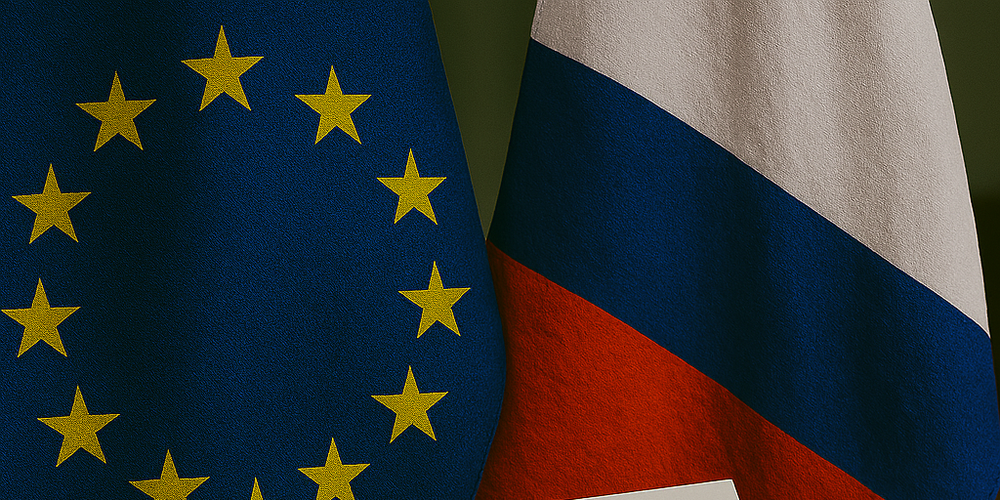
The EU has imposed massive and unprecedented sanctions against individuals and entities involved in Russia's full-scale invasion of Ukraine. The EU aims to increase pressure on Russia so it engages in genuine peace negotiations.
The indicators confirm that sanctions are eroding Russia's economic capacity : oil and gas revenues fell 24% in 2025, the lowest since 2020 - January 2026 revenues are the lowest since the invasion began. Russia faces ? 16% interest rates, high inflation and a widening fiscal deficit.
1. The new package of sanctions covers energy, financial services and trade.
A. Energy Measures
> Full maritime services ban on Russian crude oil, coordinated with G7 partners.
> 43 additional vessels added to the shadow fleet blacklist (total: 640).
> Restrictions on:
- Acquisition of tankers for Russia’s shadow fleet
- Maintenance and services for LNG tankers and icebreakers
These measures aim to: a) reduce Russia’s ability to export oil and gas b) increase logistical costs c) Limit access to global shipping services
B. Financial Sector Measures
> 20 more Russian regional banks added to the sanctions list.
> Crackdown on cryptocurrency platforms used to bypass sanctions and Companies trading crypto assets
> Sanctions extended to banks in third countries that facilitate illegal trade in restricted goods.
Objective: block alternative payment channels and restrict Russia’s financial resilience
C. Trade and Export Controls
> New export bans worth over €360 million, covering: rubber Tractors Cybersecurity services
> New import bans worth €570 million, targeting: metals, chemical, critical minerals
> Additional restrictions on: Materials used for explosives production and technologies supporting Russia’s battlefield operations
> Introduction of an ammonia quota to cap imports.
D. Anti-Circumvention Measures
> First activation of the EU Anti-Circumvention Tool.
> Ban on exporting: CNC Machines and radios to jurisdictions with a high risk of re-export to Russia.
Reliable and up-to-date information on the first 19 sets of measures?
Because it is really necessary to understand these measures, it is important to have relevant and up-to-date information. You can find this information on the European Council website. "Russia's war against Ukraine: Eu Sanctions
- Aim of sanctions against Russia
- Sanctions against individuals and entities
- Economic sanctions
- Other economic restrictions
- Diplomatic measures
- Anti-circumvention measures
- Other sanctions against Russia
Mots clés

Abonnez-vous à notre newsletter
Recevez toutes les actualités publiées par notre communauté